
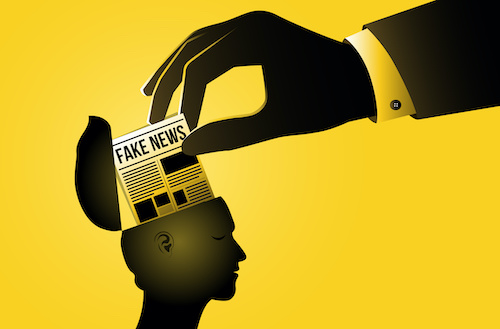
Nowadays, people are watching advertisements everywhere. We see them on television, social media, websites, and even during sports events. Sometimes we believe we are making our own decisions, but advertisements can influence our emotions without us noticing.
Recently, I read a conversation between two friends who were watching a soccer match. One of them said he suddenly wanted an LPQ soda, even though he did not usually drink it. His friend explained that the advertisement had appeared many times during the game and suggested that it might have influenced his decision. Finally, they both admitted that the commercial had made them feel thirsty.
This conversation reminds us why critical thinking and media literacy are so important. Robert Ennis said that critical thinking was about deciding what to believe or what to do through careful reasoning. Richard Paul and Linda Elder explained that good thinkers should evaluate information before accepting it as true.
If people analyze advertisements carefully, they recognize persuasive techniques more easily. (Zero Conditional)
If students develop media literacy skills, they will make better decisions as consumers. (First Conditional)
If everyone questioned advertising messages, companies would have to create more honest campaigns. (Second Conditional)
If consumers had understood manipulation strategies years ago, they would have avoided many unnecessary purchases. (Third Conditional)
Today, digital media have changed the way companies communicate with us. If people had not become more connected through technology, advertisers would not be using so many personalized strategies today. (Mixed Conditional)
As responsible citizens, we must question the information we receive instead of accepting it automatically. We should compare different sources, verify evidence, and think independently. Media literacy can protect us from misinformation, emotional manipulation, and false advertising.
Personally, I study software development because technology can become a powerful tool for education instead of manipulation. In the future, I will continue learning about communication, technology, and environmental management. If I keep developing my critical thinking skills, I will make better professional decisions and may help other people become more responsible digital citizens.
Critical thinking is not about rejecting every message. It is about thinking, questioning, analyzing, and deciding with evidence before believing what we see or hear.